What Is Prediabetes?
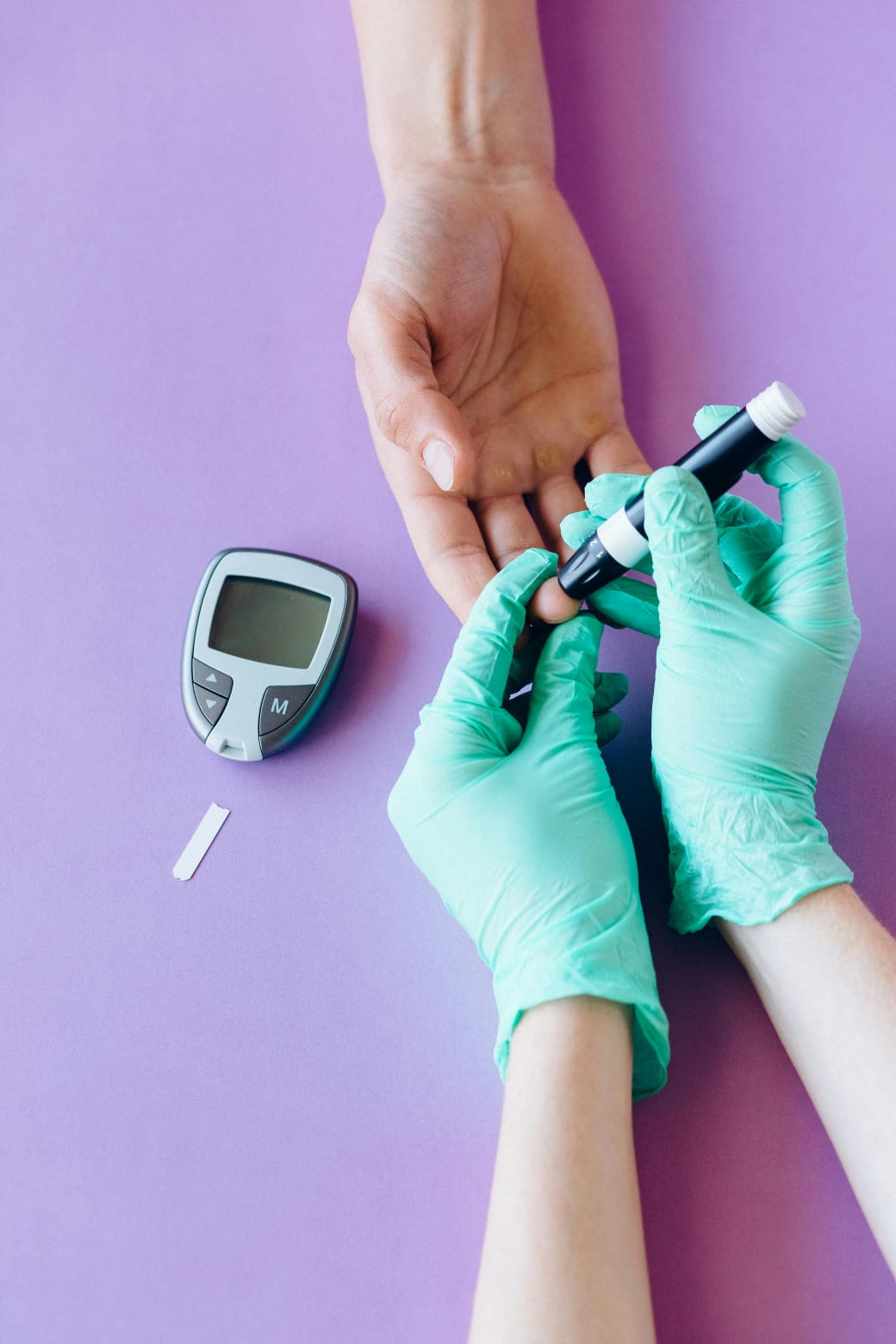
- Prediabetes is a condition where blood sugar levels are higher than normal. It often has no clear symptoms, so many people are unaware they have it.
- Common risk factors include excess weight, physical inactivity, and family history of diabetes.
- Conditions such as polycystic ovary syndrome and metabolic syndrome increase the risk.
- Prediabetes is diagnosed using simple blood tests such as HbA1c, fasting glucose, and the Oral Glucose Tolerance Test (OGTT).
- It can often be reversed or prevented through lifestyle changes.
- Early action can stop or delay progression to type 2 diabetes.
- Regular medical check-ups are important, especially for high-risk individuals.
Introduction
Many people are living with rising blood sugar levels without knowing it because it often causes no obvious symptoms. This silent phase can go unnoticed for years, yet it presents a critical window where early action can make a real difference. So what exactly is prediabetes, and why should you care if you feel completely fine?
Prediabetes means you have a higher-than-normal blood sugar level. It is not high enough to be considered type 2 diabetes yet. It is an intermediate stage between healthy blood sugar levels and type 2 diabetes [1].
At this point, the body is struggling to maintain blood sugar levels that are within a healthy range.
Why Prediabetes Matters
Prediabetes matters because it is often the first step towards developing serious health problems, and people with it are at a much higher risk of developing type 2 diabetes if no action is taken. According to research by the Centers for Disease Control and Prevention, more than 2 in 5 adults have prediabetes, and about 8 in 10 of them don't even know it.
Many people continue with their daily lives without realising their blood sugar is elevated, which makes prediabetes dangerous because it has no clear symptoms.
With time, prediabetes can also increase the risk of other conditions, especially heart disease. Research shows that even before diabetes develops, when blood sugar is higher than normal, it can start damaging your blood vessels and affect your overall health [2].
What Causes Prediabetes?
Prediabetes happens when your body starts to have problems controlling the amount of sugar (glucose) in your blood [3]. This can either be because your pancreas is not producing enough insulin or your cells are not responding properly as they should, a condition known as insulin resistance.
Although there is not a single event that triggers it, prediabetes is influenced by a combination of both lifestyle and genetic factors.
Major Factors
Insulin Resistance: Insulin is a hormone that transports sugar from the bloodstream into cells, where it can be used for energy. When there is insulin resistance, the body's cells do not respond properly to insulin, which means sugar is not effectively carried into the body's cells. This is then followed by beta-cell dysfunction, where the insulin-producing cells in the pancreas begin to deteriorate and are unable to produce sufficient insulin to overcome the existing resistance, leading to a buildup of sugar in the bloodstream [4].
Excess Weight: Also known as obesity. Carrying extra weight, particularly visceral fat, which is stored around the abdomen, is strongly linked to insulin resistance. This type of fat releases inflammatory substances that can make cells less sensitive to insulin [5].
Physical Inactivity: Muscles use the most glucose in the body. When you are less active, your cells don't use sugar as efficiently, and they become less sensitive to insulin.
Associated Conditions That Increase the Risk of Prediabetes
Certain medical conditions are often found alongside prediabetes and may contribute to its progression:
- Polycystic Ovary Syndrome (PCOS): PCOS is associated with insulin resistance, a key mechanism in the development of prediabetes. Women with PCOS are at increased risk of impaired glucose tolerance and progression to type 2 diabetes.
- Metabolic Syndrome: A group of conditions such as high blood pressure, high blood sugar, excess abdominal fat, and abnormal cholesterol levels that occur together and increase the risk of heart disease, stroke, and diabetes. Often driven by obesity and insulin resistance.
Who Is at Risk of Prediabetes?
Prediabetes can affect anyone, but some people have a higher chance of developing it due to certain risk factors. You may be at higher risk if you:
- Have a high intake of sugar-sweetened drinks, processed meat, and refined carbohydrates
- Are overweight, especially around the waist
- Do not exercise regularly
- Are over the age of 35 (although it is becoming more common in younger adults and children)
- Have a family history of diabetes, where both genetic factors and shared lifestyle habits increase risk [6]
- Have abnormal cholesterol levels or hypertension
- Have conditions such as polycystic ovary syndrome (PCOS)
- Have had gestational diabetes during a previous pregnancy, which increases the risk for both mother and child later in life
- Have sleep problems such as obstructive sleep apnoea or irregular sleep patterns (for example, shift work), which may disrupt hormones and contribute to insulin resistance
All of these risk factors are strongly associated with insulin resistance, which plays a major role in the development of prediabetes [7].
Signs and Symptoms of Prediabetes
The biggest challenge when it comes to prediabetes is that it often has no clear symptoms. Many people have it for years without knowing, as the signs can be incredibly subtle or easily attributed to other things like stress or aging.
As blood sugar levels begin to rise consistently above the normal range, you might notice the following:
- Acanthosis Nigricans: A condition characterised by dark, velvety patches of skin, often found on the neck, armpits, or groin. It is strongly associated with insulin resistance and may indicate an increased risk of developing prediabetes.
- Increased Thirst (Polydipsia): You often feel thirsty and struggle to drink enough water.
- Frequent Urination: High blood sugar causes the kidneys to work harder to remove excess glucose, leading to increased urine production.
- Fatigue: Even after sleeping, you feel exhausted because your cells aren't effectively getting the sugar they need for energy.
- Blurred Vision: High sugar levels can cause fluid to shift within the lenses of your eyes, affecting your vision and focus.
How Is Prediabetes Diagnosed?
Prediabetes is diagnosed through blood tests, which determine the level of glucose in your blood. Since blood sugar levels fluctuate based on what you eat, doctors use various methods to obtain a clear picture of how your body is managing it.
- HbA1c Test: This is the most common test because it doesn't require fasting. It measures your average blood sugar levels over the past 2 to 3 months by looking at the percentage of sugar coated on your red blood cells.
- Fasting Blood Sugar Test: This test measures your blood sugar at a single point in time after you have not eaten for at least 8 hours (usually overnight).
- Oral Glucose Tolerance Test (OGTT): This is a more involved test often used for gestational diabetes or when other results are borderline. You drink a sugary liquid, and your blood is tested two hours later to see how your body handles the "challenge."
Diagnostic reference ranges for these tests are defined by the American Diabetes Association. They include:
- HbA1c levels of 5.7–6.4%
- Fasting plasma glucose of 100–125 mg/dL (5.6–6.9 mmol/L)
- Oral glucose tolerance test results of 140–199 mg/dL (7.8–11.0 mmol/L)
Random blood glucose is not routinely used for prediabetes diagnosis [8].
Can Prediabetes Be Reversed?
Yes, prediabetes can often be reversed [9]. This means that, when changes are made early, blood sugar levels can return to normal. The best way to reverse prediabetes is by improving how the body uses insulin.
This can be done by:
- Maintaining a healthy body weight by losing excess fat
- Eating a healthy, balanced diet
- Exercising regularly
- Stopping smoking (if applicable)
By doing this, you delay or prevent the progression to type 2 diabetes.
How to Prevent Type 2 Diabetes
Intensive lifestyle modifications can often prevent the development of type 2 diabetes. These changes help the body use insulin more effectively and keep blood sugar levels within a normal range [10].
You can reduce your risk by:
- Maintaining a healthy weight. A modest weight reduction can be beneficial for blood glucose control.
- Being physically active. The World Health Organization (WHO) recommends at least 150–300 minutes of moderate exercise per week in adults.
- Consuming a healthy diet. Consume foods high in fibre, for example, vegetables, fruits and wholegrain foods, and cut down on sugar and processed foods.
- Avoiding smoking. Smoking raises your risk of type 2 diabetes by making you more likely to develop insulin resistance.
- Having regular health checks to help detect changes in blood sugar early, when they are still easy to manage.
When to See a Doctor
If you think you may be developing prediabetes, or you are experiencing any signs and symptoms of high blood sugar, you should see your doctor. Make an appointment if you have:
- Risk factors such as being obese, particularly around your waist
- A family member with diabetes
- High blood pressure or high blood cholesterol levels
- Had diabetes while pregnant
- Are over 35 years of age, have not done a blood sugar test, and are unsure of your blood sugar levels
You should also see a doctor if you notice possible symptoms such as:
- Always feeling thirsty
- Frequent urination
- Feeling fatigued with no known cause
- Blurred vision
Even if you feel well, it is still important to see a doctor if you have risk factors, because prediabetes often has no symptoms.
Conclusion
Prediabetes is a common condition that often develops without symptoms but can progress to type 2 diabetes if not managed early. The good news is that it can often be prevented or controlled through early detection and lifestyle changes such as healthy eating, regular physical activity, and maintaining a healthy weight.
Raising awareness and having regular health checks are key to reducing the risk of future complications.
The bottom line: Prediabetes is silent but manageable. Early detection through routine blood tests and simple lifestyle changes can prevent progression to type 2 diabetes. If you have any risk factors, speak to your doctor today.
References
- Mayo Clinic Staff — Mayo Clinic
- Corliss J. — Harvard Health Publishing
- Bkaily G, Jazzar A, et al. — Biomedicines
- Tura A, Göbl C, et al. — Endocrine Journal
- Zyoud SH, Shakhshir M, et al. — Translational Medicine Communications
- National Library of Medicine — MedlinePlus Genetics
- Zeyad M, Saudi L, et al. — BMC Public Health
- American Diabetes Association — Diabetes Care
- Galaviz KI, Weber MB, et al. — American Journal of Preventive Medicine
- Sari NK, Octavian A, et al. — Medicines
Want More Health Insights?
Get science-backed health tips, medical insights, and tech tutorials delivered to your inbox weekly.
Subscribe to Newsletter